
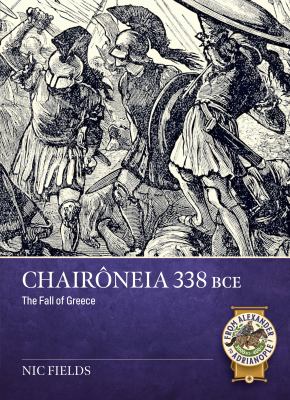
Boiotia, late summer 338 BCE. The defeat and victory on the small Boiotian plain east of Chaironeia was to drag the Greek world of warring autonomous city-states into a proto-national state. The architect of this geopolitical shake-up, with its sudden death of old alliances and antagonisms, was Philip II of Macedon. He was a creative warrior king whose expansionist policies and military reforms had turned a turbulent unstable kingdom on the northern fringes of the Greek world into a regional superpower. The battle itself was a hard-fought contest between the old-style citizen hoplite phalanx of the Greek states and the professional sarissa-armed phalanx of Macedon. His victory, the last but greatest of his career, clearly demonstrated Philip’s tactical acumen and superior leadership skills.